VARIETY TASTE

Tuesday, May 23, 2023

The Malaya Operation

 The Malaya Operation, also known as the Malayan Campaign, was a military campaign that took place during World War II from 8 December 1941 to 15 February 1942. It was a series of battles between the Allied forces, primarily consisting of British, Indian, and Australian troops, and the Imperial Japanese Army.


Background: Prior to the Malaya Operation, tensions were rising in the Asia-Pacific region, and the threat of war loomed. The Japanese Imperial Army had expansionist ambitions and aimed to secure strategic resources in Southeast Asia. On 7 December 1941, the Japanese launched a surprise attack on the U.S. naval base at Pearl Harbor, prompting the United States' entry into the war. On the following day, Japan launched coordinated attacks on several targets across Southeast Asia, including the British colonies of Malaya, Singapore, and Hong Kong.

Campaign: The Japanese forces, under the command of General Tomoyuki Yamashita, rapidly advanced through Malaya, utilizing their superior air power and effective amphibious operations. The Allied defense, led by Lieutenant General Arthur Percival, initially struggled to counter the Japanese advance. The jungle terrain, logistical challenges, and the overwhelming Japanese firepower made the defense difficult.

The Japanese employed a combination of land, sea, and air operations, pushing the Allies back towards the southern tip of the Malayan Peninsula. The British and Commonwealth troops fought bravely, but they were outnumbered and outgunned. The Japanese forces effectively utilized their tanks, artillery, and air support to overpower the Allied defenses.

As the Japanese advanced, the British made a strategic decision to withdraw to Singapore, the major naval base and key strategic location in the region. However, the Japanese continued their relentless advance, eventually reaching the outskirts of Singapore.

Fall of Singapore: By February 1942, the Japanese had effectively surrounded Singapore and subjected it to heavy artillery bombardment. The situation for the Allied forces became dire, and on 15 February 1942, Lieutenant General Arthur Percival made the decision to surrender. The fall of Singapore was a significant blow to the Allied forces and marked a major victory for the Japanese.

Significance: The Malaya Operation was a pivotal event in World War II as it demonstrated the effectiveness of Japanese military tactics and highlighted the vulnerabilities of British and Commonwealth forces in the region. The fall of Singapore was a major turning point in the war, leading to the Japanese occupation of Southeast Asia and subsequent events in the Pacific Theater.

The Malaya Operation and the fall of Singapore resulted in the capture of approximately 130,000 Allied troops, including a large number of British and Australian personnel. The prisoners of war endured harsh conditions and were subjected to forced labor and mistreatment by the Japanese captors.

Overall, the Malaya Operation had a profound impact on the course of World War II in the Asia-Pacific region and contributed to the eventual defeat of Japan in the war.

Analysis

The Malaya Operation and the subsequent fall of Singapore had significant consequences and revealed important factors that influenced the outcome of World War II in the Asia-Pacific region. Here's a brief analysis of the operation:

  1. Japanese military effectiveness: The Malaya Operation showcased the effectiveness of Japanese military tactics, which emphasized speed, coordination, and surprise. The Japanese forces demonstrated their ability to swiftly advance through challenging terrain, effectively utilizing combined arms tactics, air power, and amphibious operations. Their superior training, equipment, and strategies overwhelmed the Allied defenses.

  2. Allied vulnerabilities: The Malaya Operation exposed vulnerabilities in the British and Commonwealth forces' defense strategies and military preparedness. The Allied troops were ill-equipped to face the Japanese onslaught, lacking proper anti-tank weapons and effective air support. The British underestimated the capabilities of the Japanese forces and were caught off guard by their speed and ferocity.

  3. Significance of air power: The Japanese dominance in the air played a crucial role in the success of the Malaya Operation. The Allies struggled to counter the Japanese air superiority, which hindered their ability to effectively engage and disrupt Japanese ground operations. The Japanese air force provided vital support to their ground troops and targeted key infrastructure, weakening the Allied defense.

  4. Logistical challenges: The difficult jungle terrain and logistical constraints posed challenges for both sides. The Japanese forces effectively maneuvered through the dense jungles of Malaya, capitalizing on their familiarity with the environment. The Allies, on the other hand, faced difficulties in supplying and reinforcing their troops, which further hampered their ability to mount a strong defense.

  5. Surrender of Singapore: The fall of Singapore, often referred to as the "Gibraltar of the East," was a significant turning point in the war. The surrender of such a major British stronghold and the capture of a large number of Allied troops had a demoralizing effect on the Allied forces and boosted Japanese morale. It marked the first time that the British had surrendered a significant military position in over a century.

  6. Japanese occupation of Southeast Asia: The successful Malaya Operation paved the way for the Japanese occupation of Southeast Asia. It provided Japan with access to vital resources, including rubber and tin, and increased their sphere of influence in the region. The occupation subjected the local population to Japanese control and oppression, leading to widespread suffering and resistance movements.

  7. Lessons learned: The Malaya Operation provided valuable lessons for the Allied forces, highlighting the need for improved military preparedness, effective strategies to counter Japanese tactics, and better coordination between air and ground forces. It also emphasized the importance of understanding and adapting to the local terrain and conditions.

Overall, the Malaya Operation and the fall of Singapore were instrumental in shaping the course of World War II in the Asia-Pacific theater. The operation demonstrated the effectiveness of Japanese military strategies, exposed Allied vulnerabilities, and led to the Japanese occupation of Southeast Asia. It remains a significant event in military history, prompting subsequent strategic adjustments by the Allied forces to confront the Japanese threat in the Pacific.


Here are a few additional points to discuss regarding the Malaya Operation:

  1. Role of intelligence: The Malaya Operation highlighted the importance of accurate and timely intelligence in military operations. The Japanese effectively employed deception and utilized intelligence gathered from various sources to plan their attacks. The Allies, on the other hand, faced challenges in gathering accurate intelligence and underestimating the strength and capabilities of the Japanese forces. This emphasized the need for improved intelligence gathering and analysis in future operations.

  2. Impact on the war in the Pacific: The success of the Malaya Operation and the fall of Singapore provided Japan with a significant strategic advantage in the Pacific Theater. It allowed them to secure their southern flank, control important sea lanes, and project their power further into Southeast Asia. The loss of Singapore weakened the Allied position in the region and had implications for future operations and the overall balance of power in the Pacific.

  3. Treatment of prisoners of war: The Malaya Operation resulted in the capture of a large number of Allied troops, many of whom became prisoners of war. The treatment of these prisoners by the Japanese was often harsh, with reports of brutalities, forced labor, and inadequate provisions. The experiences of the prisoners of war during their captivity became an important aspect of the war's history and highlighted the inhumane treatment faced by many captured Allied soldiers.

  4. Impact on decolonization: The fall of Singapore and the Japanese occupation of Southeast Asia had long-lasting effects on the process of decolonization in the region. The occupation challenged the legitimacy and authority of European colonial powers and inspired nationalist movements seeking independence. The war experience, including the Japanese occupation, played a role in shaping the aspirations of local populations and fueled calls for self-determination after the war.

  5. Strategic implications: The Malaya Operation had strategic implications for both Japan and the Allied powers. For Japan, it provided them with valuable resources and extended their sphere of influence in Southeast Asia. However, it also stretched their supply lines and diverted resources from other fronts, ultimately impacting their overall war effort. For the Allies, the operation highlighted the need for reevaluating their strategies and developing more effective countermeasures against the Japanese military.

Monday, May 22, 2023

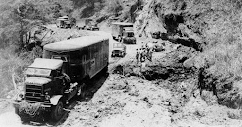
The Burma Campaign: Forgotten War.


Introduction:

The Burma Campaign, fought during World War II, was a significant military engagement between the Allies and the Axis powers in the Southeast Asian theater. Spanning from 1942 to 1945, the campaign was marked by fierce battles, challenging terrain, and strategic importance. This article provides an analysis of the Burma Campaign, highlighting key lessons learned, and identifying the strengths and weaknesses of both sides.

Historical Context:
The Burma Campaign was primarily fought between the British-led Allies and the Japanese forces. The strategic objective for the Allies was to prevent Japan from establishing a land route to India and to regain control over Burma. The Japanese sought to sever British supply lines and secure valuable resources, such as oil and rubber, in Southeast Asia.

Analysis:

  1. Challenging Terrain:
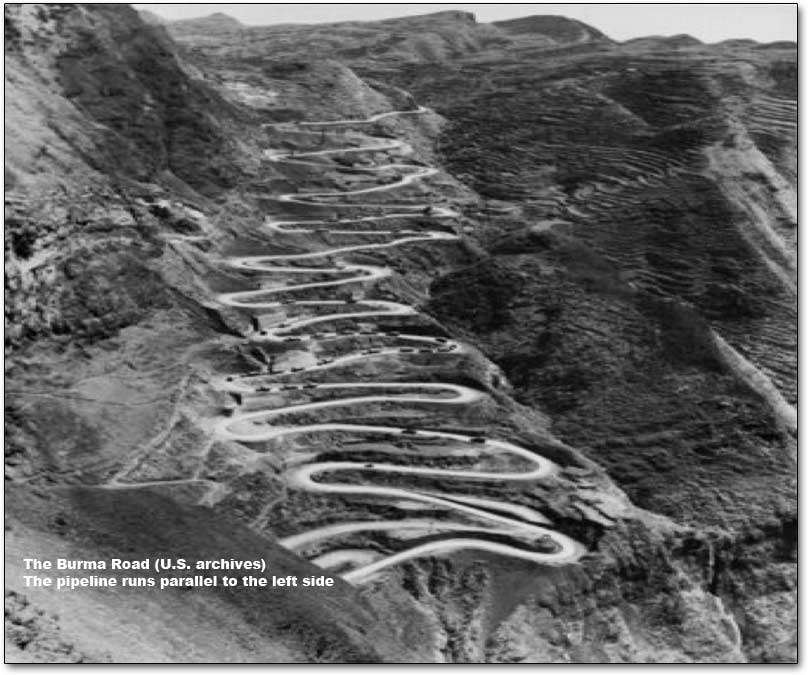
    One of the defining features of the Burma Campaign was the rugged and unforgiving terrain. Thick jungles, mountainous regions, and monsoon rains posed significant challenges to both sides. The terrain favored defensive tactics, making it difficult for attacking forces to advance. The Japanese initially used this to their advantage by employing guerrilla warfare and exploiting the element of surprise.

  2. Allied Strategy and Logistics:
    The Allied forces faced initial setbacks due to a lack of coherent strategy and logistical challenges. However, the appointment of General William Slim as the commander of the British Fourteenth Army in 1943 brought about a significant shift in strategy. Slim emphasized improved logistics, better training, and a focus on the welfare of troops. This change in approach contributed to the eventual success of the Allies.

  3. Japanese Offensive Strengths:
    The Japanese had several strengths that allowed them to gain early advantages in the Burma Campaign. Their superior tactics, particularly in jungle warfare, enabled them to launch successful surprise attacks. The Japanese also had a well-coordinated supply system, using bicycles and pack animals to transport provisions through difficult terrain. Additionally, their ability to exploit local support and incite anti-British sentiment among local populations gave them an edge.

  4. Allied Air Power:
    The Allies held a significant advantage in air power throughout the campaign. The Royal Air Force (RAF) and the United States Army Air Forces (USAAF) were instrumental in providing close air support, interdiction of Japanese supply lines, and airlifting supplies. The Allies' control of the skies helped to disrupt Japanese operations, weakening their ability to mount effective offensives.


Lessons Learned:

  1. Logistical Planning and Execution:
    The Burma Campaign demonstrated the critical importance of efficient logistical planning and execution in difficult terrain. The Allies learned that proper supply lines, maintenance of transportation routes, and adequate provision of food, medicine, and ammunition were crucial for sustaining operations and boosting morale.

  2. Adaptability and Flexibility:
    The ability to adapt to changing circumstances and adopt flexible strategies was vital during the Burma Campaign. The Allies learned to adjust their tactics to the challenging environment, emphasizing mobility, close air support, and combined arms operations. Flexibility allowed them to counter Japanese guerrilla tactics effectively.

Strengths and Weaknesses from Both Sides:

  1. Allied Strengths:
    a. Superior air power, which provided a decisive advantage.
    b. Improved logistics and supply lines under General Slim's leadership.
    c. Learning from initial setbacks and adapting strategies accordingly.
    d. Collaborating with local ethnic groups and fostering their support.

  2. Allied Weaknesses:
    a. Initial lack of a coherent strategy.
    b. Initial underestimation of the Japanese forces.
    c. Difficulties in fighting in unfamiliar jungle terrain.
    d. Limited resources and stretched supply lines.

  3. Japanese Strengths:
    a. Effective use of guerrilla warfare and surprise attacks.
    b. Exploitation of local support and anti-British sentiment.
    c. Well-coordinated supply system in challenging terrain.
    d. Early successes due to inadequate Allied preparation.

  4. Japanese Weaknesses:
    a. Inferior air power and lack of control over the skies.
    b. Overextended supply lines and logistical challenges.
    c. Inability to sustain their early momentum.
    d. Inadequate adaptation to changing circumstances.

Conclusion:
The Burma Campaign was a challenging and complex military engagement that highlighted the importance of adaptability, logistical planning, and air superiority. The Allies' ability to learn from initial setbacks and implement improved strategies, along with their control of the skies, ultimately led to their success. The campaign serves as a valuable lesson in the intricacies of jungle warfare, logistical challenges, and the significance of effective collaboration with local populations in conflict zones.

Diet and Physical Fitness: The Foundation for a Healthy Body

 Introduction:

Welcome to our blog, dedicated to helping you achieve optimal health and well-being through diet and physical fitness. In this first article, we'll lay the groundwork by discussing the fundamental aspects of maintaining a healthy body. By understanding the importance of nutrition and regular exercise, you'll be well-equipped to embark on your journey towards a healthier lifestyle.

Section 1: Nourishing Your Body Through a Balanced Diet
A healthy diet forms the cornerstone of overall well-being. It provides the essential nutrients, vitamins, and minerals needed for proper bodily functions. Here are some key points to consider:

  1. Macronutrients: Your diet should include a balance of carbohydrates, proteins, and fats. Carbohydrates provide energy, proteins support muscle growth and repair, and healthy fats are essential for various bodily functions.

  2. Micronutrients: Incorporate a variety of fruits, vegetables, whole grains, and legumes to ensure you receive a wide range of vitamins and minerals necessary for optimal health.

  3. Hydration: Proper hydration is vital for overall well-being. Aim to drink an adequate amount of water each day, as it helps regulate body temperature, supports digestion, and aids in nutrient absorption.

Section 2: Exercise for a Strong and Fit Body
Regular physical activity is essential for maintaining a healthy body composition, improving cardiovascular health, and enhancing overall strength and endurance. Consider the following aspects:

  1. Cardiovascular Exercise: Engage in activities such as walking, jogging, cycling, or swimming to elevate your heart rate and improve cardiovascular health. Start with moderate-intensity workouts and gradually increase the intensity over time.

  2. Strength Training: Incorporate resistance exercises like weightlifting, bodyweight exercises, or using resistance bands. These activities help build muscle strength, increase bone density, and boost metabolism.

  3. Flexibility and Mobility: Include stretching exercises or activities like yoga or Pilates to improve flexibility, enhance range of motion, and prevent injuries.


Section 3: The Power of Consistency and Moderation
To achieve lasting results, consistency and moderation are key. Here are some guidelines to follow:

  1. Consistency: Make physical activity and healthy eating a regular part of your lifestyle. Set aside dedicated time for exercise and plan your meals to ensure a balanced diet.

  2. Gradual Progression: Start with realistic goals and gradually increase the intensity, duration, or difficulty of your workouts. This approach helps prevent injuries and keeps you motivated.

  3. Mindful Eating: Practice mindful eating by paying attention to your body's hunger and fullness cues. Avoid restrictive diets and aim for a sustainable and enjoyable approach to nutrition.

Conclusion:
Congratulations on taking the first step towards a healthier lifestyle! By prioritizing a balanced diet and regular physical activity, you're setting the foundation for a strong and fit body. Remember, consistency is key, and small, sustainable changes can yield significant long-term results. Stay tuned for more articles where we delve deeper into specific topics related to diet and physical fitness to support you on your journey to a healthier you.

Disclaimer: It is always advisable to consult with a healthcare professional or registered dietitian before making any significant changes to your diet or exercise routine to ensure it aligns with your individual needs and health conditions.


Friday, March 5, 2021

GOLD SECRET REVEALED

 MAKE 20,000 GOLD PER HOUR

https://e1143pwkka36ig6nn-uc1elwdc.hop.clickbank.net/?tid=TIMECREAT

Dear Champion,

Legion is out and it's time to get to work at becoming better than everyone else.

So how are you going to do that? --- With Gold of course.

Gold has always been the heart of the game, the more of it you have, the better off you are --- there's no such thing as too much.

With gold you can have everything the game has to offer. Cool mounts, rare pets, epic gear, item enhancements, and the ability to pretty much buy anything you want.

Take the following two individuals for example:

Individual A owns the Secret Gold Guide and has put it to good use, earning tens of thousands of gold in a few weeks. He decides to start a new character. He goes to the character creation screen, makes his character, and then runs it to the nearest mailbox.

When he gets to that mailbox he opens a letter from his auction character and inside of it is 5,000 gold and a bunch of gear. He now has a leveling advantage, with 5,000 gold and starter gear he doesn't have to take time looting anything at all, just quest and go.

This same individual just reached level 100 and decides that he wants to pick up Blacksmithing.

So what does he do?

He pulls up a profession guide, logs into his auction character, and buys all of the materials required to go from 1 - 700. He then sends him to his character and logs out. He logs in to his character and goes to his mailbox and within a few hours he is a level 700 Blacksmith.

Now let's consider Individual B, who hasn't used the secret gold guide.

Individual B decides to start a new character, he logs into the game and immediately begins to quest. He gets to level 4 and his bags are already full. He goes to the merchant to buy new bags but can't afford any. He sells all the junk he looted that slowed down his leveling and still doesn't have enough. As he levels to 100 he is also short on gold for other things that would make leveling easier, such as mount training.

By level 40 he realizes his gear is subpar and when he goes to the auction house to upgrade he can't even afford one piece. He must spend time with gathering professions or farming things in order to get himself to level 100. This takes 3x as long as individual A.

He finally gets to level 100 and then decides he wants to do Blacksmithing. He cannot afford any of the materials so he will have to farm them himself. So he goes to learn mining. Now he must either farm fragments in Legion to get his skill high enough or go back and farm old ore and do old Blacksmithing recipes.

This takes him hours, then days, and finally after about two weeks his mining and his Blacksmithing are around 650, it takes him another week just to finish it off to 700.

https://e1143pwkka36ig6nn-uc1elwdc.hop.clickbank.net/?tid=TIMECREAT

WHICH INDIVIDUAL DO YOU WANT TO BE?

Most people say A because life is so much easier with gold. Unfortunately, most people don't have enough or run out of it very quickly.

That's where we come in.

We've been finding the best ways to make gold since the beta of the original World of Warcraft, yes, it's been a long time. The Secret Gold Guide has been voted the #1 gold making guide on the Internet for many years now and we have no intention of giving up that title anytime soon.

LEGION offers many new things to farm up some gold, but it's not always the new things that are the most lucrative.

What people sometimes fail to understand is that when your gear gets more powerful and your levels increase, the time it takes to farm the older areas get's faster, and because you're that much more powerful you can farm other areas in previous expansions for massive gold that you couldn't at level 100 with the best gear.

The best part about new expansions is that items from older expansions go up in value as more people are occupied in the current expansion and the amount of items being farmed in older expansions nearly diminishes. Most people would rather spend a lot of gold on old world items rather than dedicate the time to farm them.

This is where gold makers really start to shine.

Not just the regular gold everyone earns but you're going to earn the best gold there is by doing as we tell you to, it's that easy.

So here's what you get today by downloading the Secret Gold Guide

Presenting... The Secret Gold Guide!

 FOLLOW THE LINK TOWARDS SUCCESS

https://e1143pwkka36ig6nn-uc1elwdc.hop.clickbank.net/?tid=TIMECREAT